We start with a simple question.
Why has Myanmar lacked a stable political agreement after nearly 80 years?
We believe that the core issue is a "Crisis of the Words and Crisis of the Worldviews." Different groups use the same political terms with fundamentally different meanings and incompatible foundational expectations.
We are a Civic Knowledge Lab that maps worldviews, humanizes politics and cultivates an ecosystem of solidarity. We seek to strengthen political maturity that prevents conflict and ensures local ownership through research, public education, and community building. We train indigenous youths and women and publish 5-level Explainers of Political Concepts to bridge moral and intellectual divides.
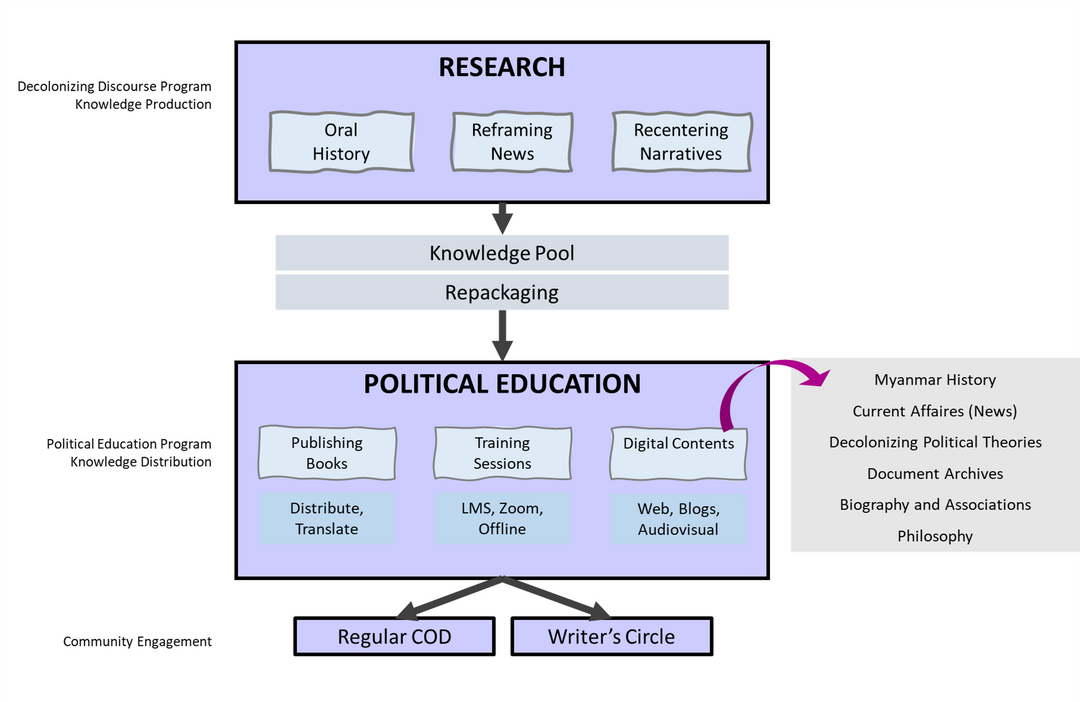
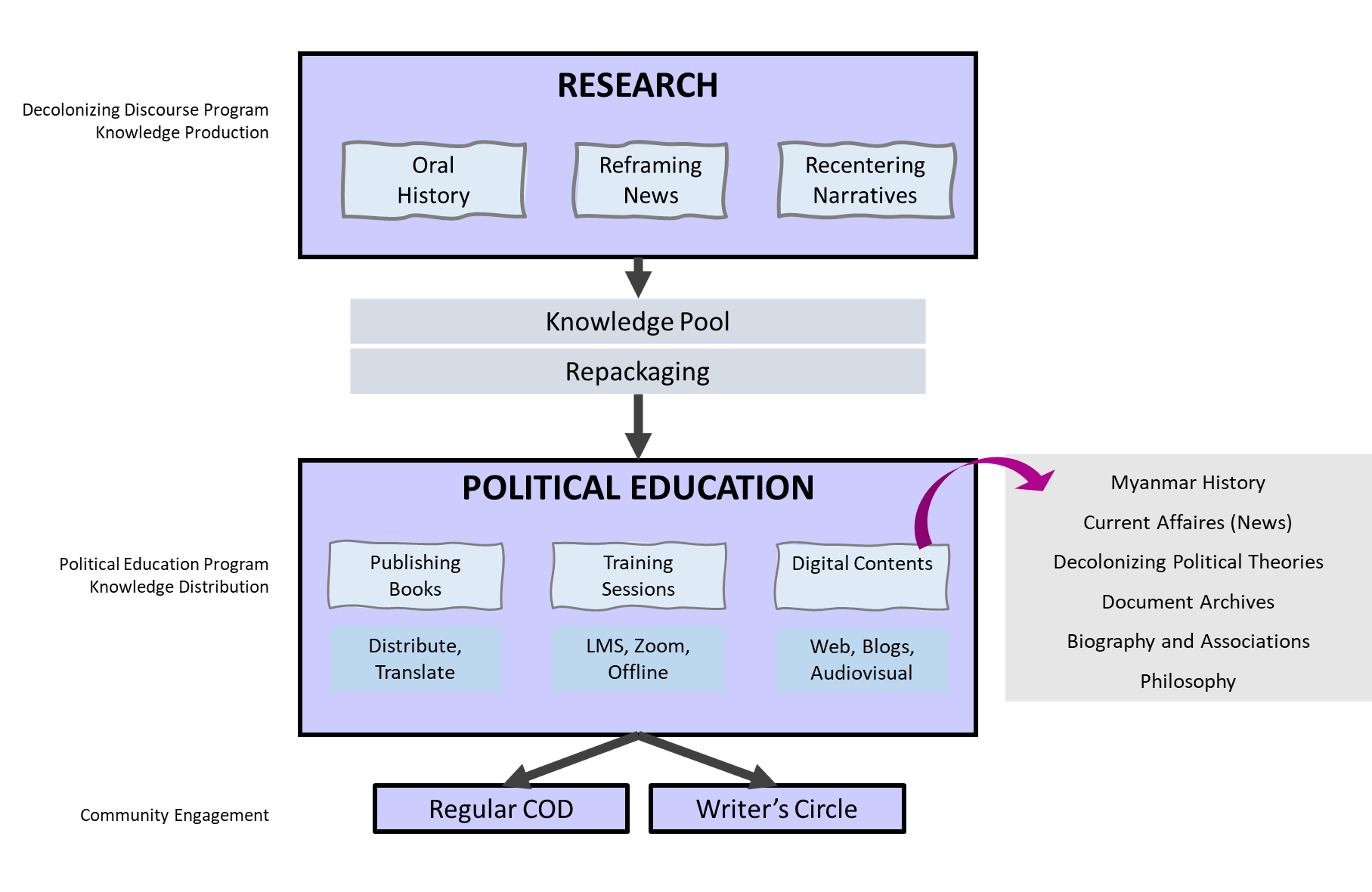
Published Books
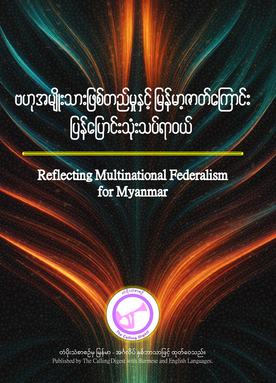
Paper I: Reflecting Multinational Federalism for Myanmar
For decades, the concept of "Federalism" in Myanmar has been misunderstood, feared, or manipulated. This groundbreaking paper cuts through the confusion. It argues that true peace requires more than just decentralization; it requires the recognition of Internal Nations. Reflecting Multinational Federalism for Myanmar argues that we cannot build a federal democracy using the language of the oppressor. By rejecting the military’s "135 ethnic groups" narrative and embracing the concept of Multinational Federalism, this book charts a path toward genuine self-determination. It calls for a "Coming Together" federalism where every nation (including the Bamar) stands as an equal partner. A vital text for the intellectual foundation of the new Myanmar.
This is not just a history of what went wrong. It is a theoretical blueprint for what comes next. A must-read for those envisioning a future beyond military dictatorship.
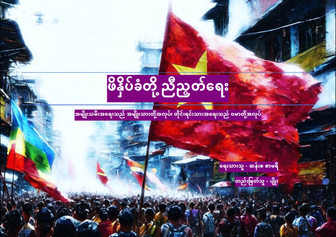
Paper 2: Solidarity of the Oppressed
For decades, Myanmar’s struggle for democracy has been paralyzed by a silent fracture. On one side, Indigenous resistance movements fight to preserve cultural identities threatened by erasure and "Burmanization." On the other, a rising feminist and LGBTQ+ consciousness seeks to dismantle the very traditional norms that perpetuate patriarchal control. Unity of the Oppressed argues that these two struggles are not enemies, but essential allies. It exposes how the military junta has long exploited the gap between "National Liberation" and "Gender Liberation" to maintain power. Moving beyond the superficial "tokenism" of the past democratic transition, this manifesto charts a difficult but necessary path: building a solidarity where the fight against Bamar supremacy and the fight against Patriarchy are understood as the same war. This is the blueprint for a federal union built not on sameness, but on the shared bargaining power of the marginalized.
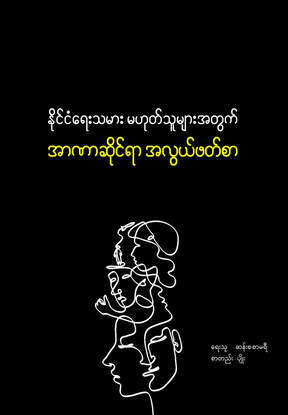
Paper 3: Politics for Non-political People
Politics is not reserved for the elite; it is the invisible force that shapes our daily lives. In Politics for Non-Politicians, the author takes readers on an accessible journey through the complex world of power, governance, and civic responsibility.
Starting from the evolutionary roots of human society, this book demystifies how we organized ourselves from hunter-gatherers into modern nation-states. It breaks down intimidating concepts—ideologies, democracy, human rights, and the economy—into digestible insights. Crucially, it dives deep into the subjects most vital to Myanmar’s current political landscape, offering a clear-eyed analysis of Federalism, the role of political parties, and the concept of the "Common Good."
Written specifically for ordinary peoples during a time of great upheaval, this book is an essential toolkit for anyone wishing to begin the journey to understand the mechanics of power and their role in building a future federal democratic union.

Paper 4: Social Construction of Reality
What if everything you think is "natural"—from your gender and your money to your nation and your god—is actually just a story we all agreed to believe? In this conceptual digest, the author takes the reader on a journey through the lens of Social Constructionism. Moving beyond the surface of daily life, this book exposes the invisible scaffolding that holds up our reality. It challenges the "essential truths" of the world, arguing that our identities, our economies, and our politics are not biological or divine mandates, but products of human interaction, language, and power. From the intimacy of the "Self" to the complexities of global capitalism, The Reality of the World arms the reader with the intellectual tools to question the status quo. It is a guide for those who wish to see the matrix of society not as it appears, but as it truly is: a construct that can be understood, deconstructed, and ultimately, rebuilt.
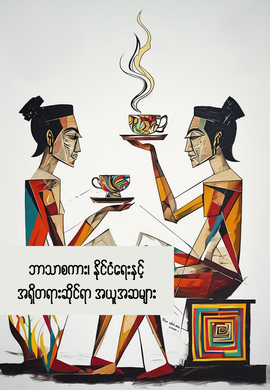
Paper 5: Language and Politics
In the battlefield of Myanmar’s Spring Revolution, not all wars are fought with guns. The most dangerous front line is the mind. “Language, Politics, and Concepts of Reality” reveals how dictatorships weaponize words to manufacture consent and how the vocabulary we use shapes the freedom we seek. From dissecting the logical fallacies of military propaganda to challenging the historical roots of "Burmanization," the author provides a critical manual for the information age. This is not just a book about linguistics; it is a guide to decolonizing our thoughts and reclaiming the narrative of our future.
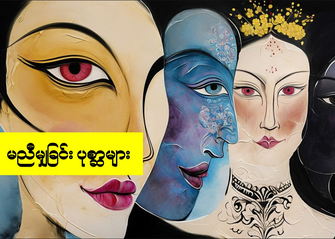
Booklet: The Questions for Inequalities
Is the playing field truly level?
We are often told that hard work is the only key to success. But in a society built on uneven ground, does "merit" mean the same thing for everyone? "The Questions for Inequalities" confronts the uncomfortable truths of Myanmar’s social fabric. Through 42 probing Socratic questions, this booklet peels back the layers of systemic oppression—from the myth of meritocracy and the extraction of ethnic resources, to the invisible barriers of language, gender, and majority privilege. This is not just a book but a mirror held up to society. It challenges you to question your own position, recognize the structural chains that bind the marginalized, and reimagine what true justice looks like.
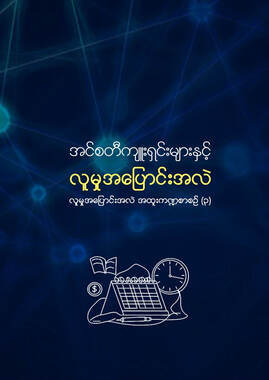
Paper 6: Institutions and Social Change
Why do dictatorships survive, and how do we build a democracy that lasts? In the heat of Myanmar’s Spring Revolution, the fight is not just against a regime, but against the deep-seated systems that keep it in power. "Institutions and Social Change" goes beyond the battlefield to dissect the invisible machinery of control—from the "institutional narcissism" of the military to the weaponized history in our school textbooks. This handbook bridges complex political theory with the gritty reality of Myanmar’s crisis. It challenges us to rethink how we view power, identity, and governance. It offers a roadmap for dismantling the old, "Burmanized" state and provides the intellectual tools to construct a genuine Federal Democracy. Don’t just fight the system; learn how to replace it.

Paper 7: Worldviews in the Federal Union
Is removing the military dictator enough to build a nation?
In "Worldviews from within the Union," the author argues that Myanmar’s crisis isn't just a battle for power. It is a collision of realities. The author researched these realities. For the center, the "State" is a unifier; for the periphery, it is a predator. From the failures of the 1982 Citizenship Law to the debate between "Holding Together" and "Coming Together" federalism, this book exposes the silent fractures that threaten the Spring Revolution. It is a courageous call to dismantle the Bamar-centric narrative and build a Union where "justice" means the same thing to everyone. There are many more perspectives to be found in this book.
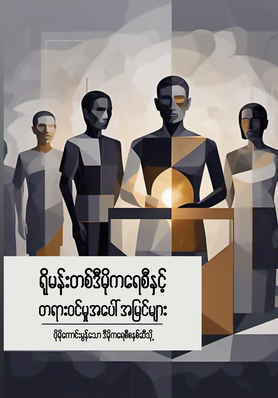
Paper 8: Romanticizing Democracy
For decades, Myanmar has chased the dream of democracy, often viewing it through rose-tinted glasses, a "Romantic Democracy", that solves all ills simply by holding an election. But as the Spring Revolution reshapes the nation, the hard truth has emerged: voting is not enough. In this incisive new monograph, The Calling Digest presents a critical roadmap for state-building amidst civil war. Moving beyond the naive optimism of the transition years, this book dissects the complex machinery of Political Legitimacy, challenging the majoritarian views that have long marginalized indigenous nationalities. From the consensus governance of the Swiss Confederation to the revolutionary autonomy of Rojava, and the pragmatic "Rebelocracy" of armed resistance movements, this book explores alternatives to the failed unitary state.
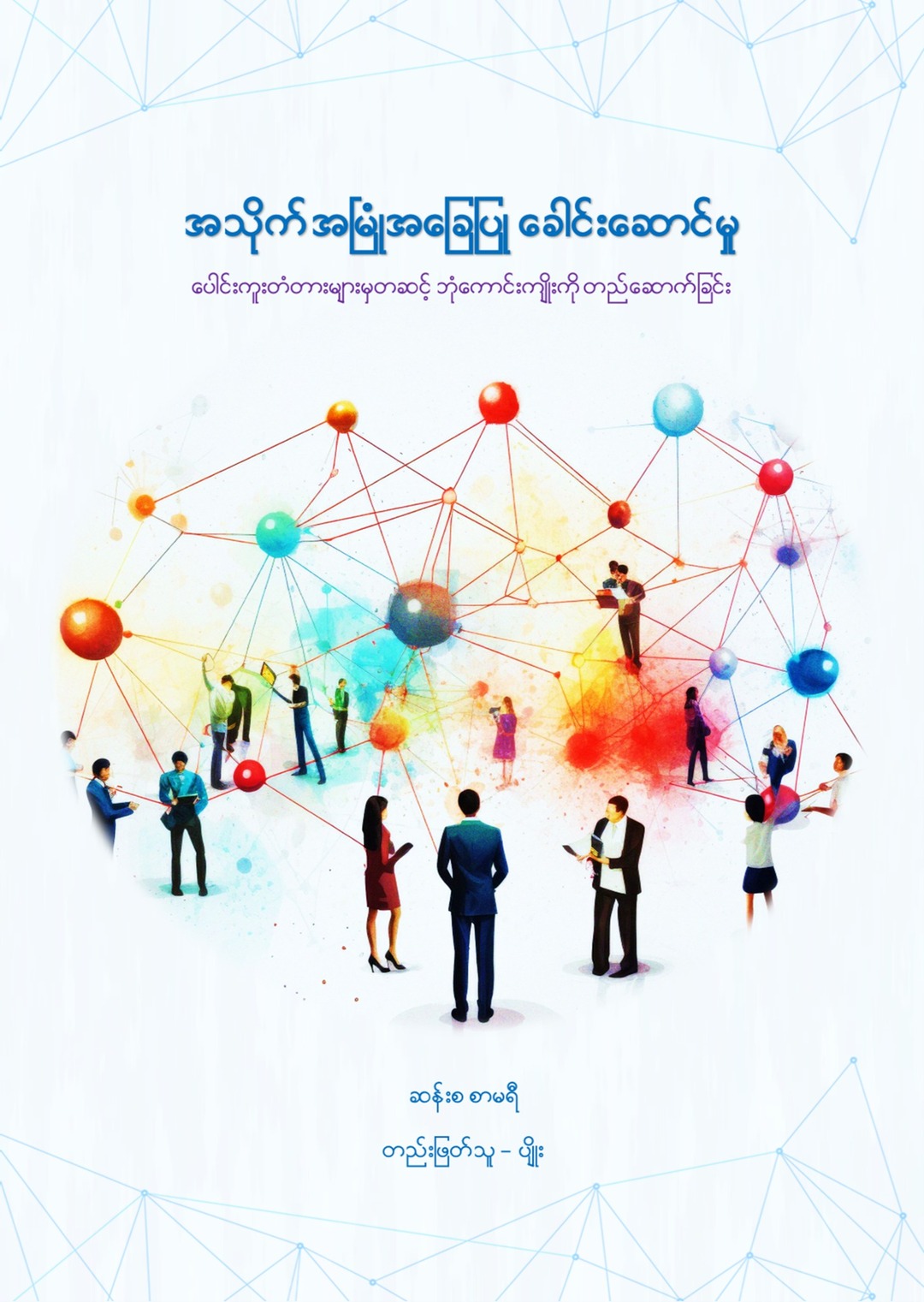
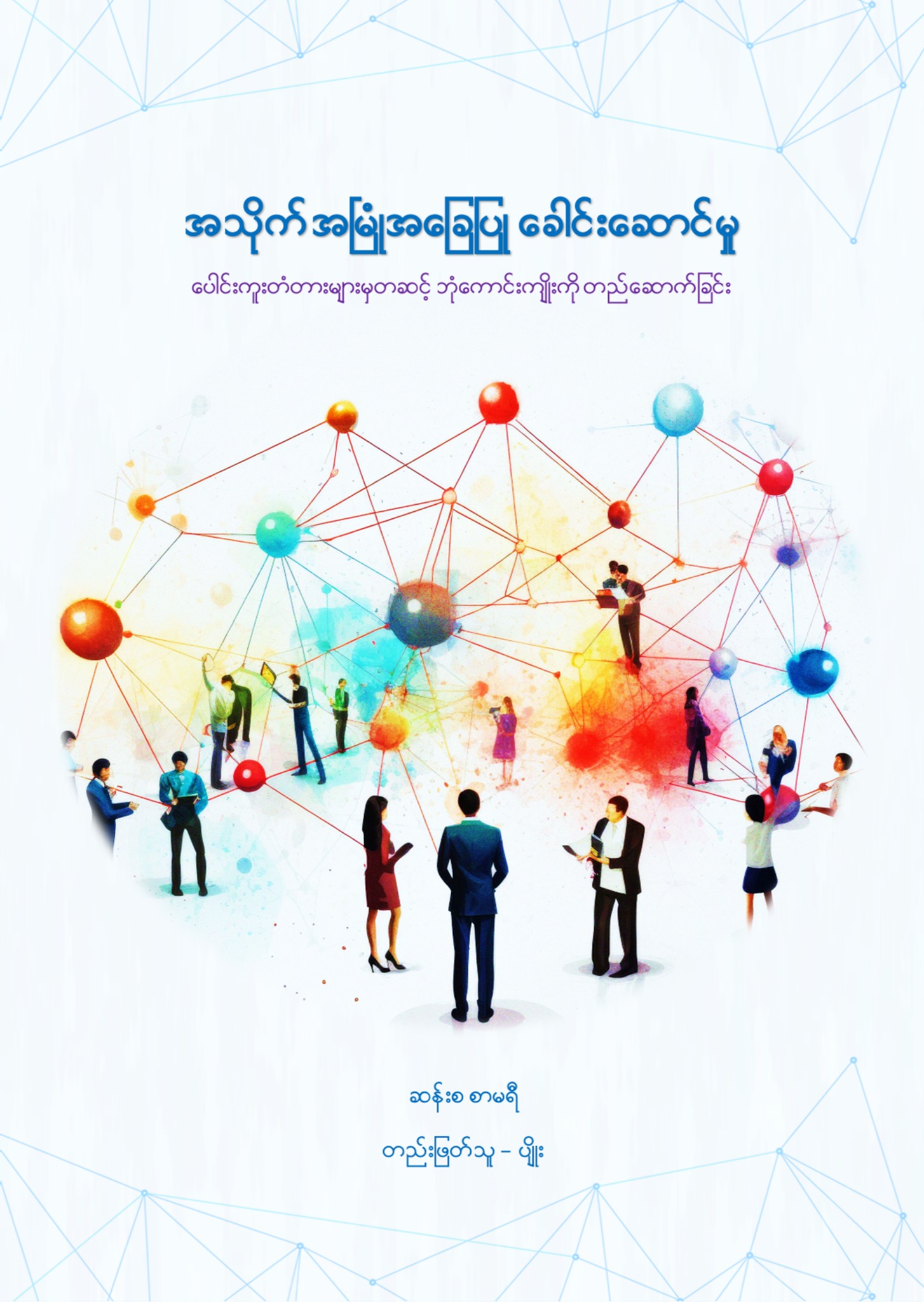
Community-Based Leadership serves as an essential blueprint for Myanmar’s reconstruction era, bridging the critical gap between revolutionary spirit and sustainable institution building. Published in the wake of significant political transition in June 2025, this manual rejects the authoritarian "power-over" dynamics of the past, offering instead a comprehensive toolkit for "power-with" governance grounded in political friendship and servant leadership. From mastering strategic planning frameworks like SWOT and PESTEL to navigating complex ethical dilemmas and conflict resolution, the author equips grassroots organizers and emerging leaders with the professional skills needed to transform loose social groups into resilient, democratic communities. It is a clarion call to rebuild the nation not from the top down, but through the thoughtful, systematic empowerment of its local foundations.
ARTICLES

What is Politics?

Politics is not a monolithic concept. However, in order to work politics, how should we approach it?
Multinational Federalism
A call for Internal Realignment
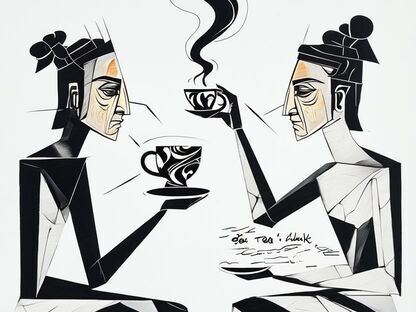
Let's think about Life and Revolution.
Amidst Myanmar's intense revolution, individuals grapple with internal conflicts arising from decades of oppressive systems, leading to a need for profound personal and political realignment. This struggle manifests as people adopt "character" roles, causing dissonance and mental strain, highlighting the necessity for revolutionaries to reconcile their authentic selves with their activism.
The Indigenous Pride
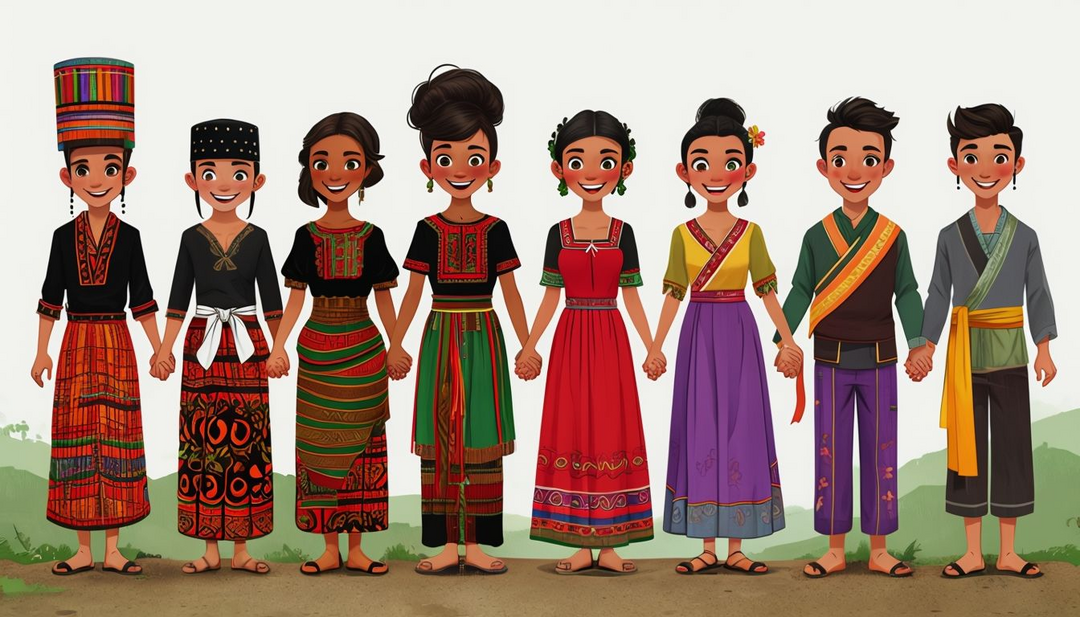
Indigenous pride is a deep connection to history, land, and culture, representing resistance against oppression and the preservation of identity amidst attempts at erasure. Indigenous communities actively maintain their heritage through traditions, art, and stories, demonstrating that their power lies in their enduring connection to their roots, not in external validation. This pride serves as a beacon of hope, inspiring resistance against authoritarian forces and celebrating the strength found in cultural diversity and self-determination.
Primacy of Common Good

Today, the concept of Common Good is fading. But, if there is no Common Good, what is the point of us living together?
How to improve Democracy
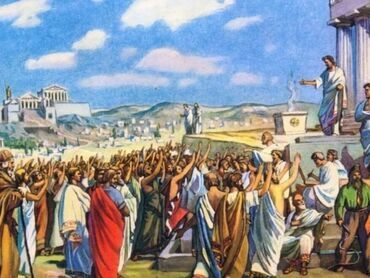
There is no "perfect democracy" beyond human design. The only way to improve it is to recognize its shortcomings.
Lack of Accountable State
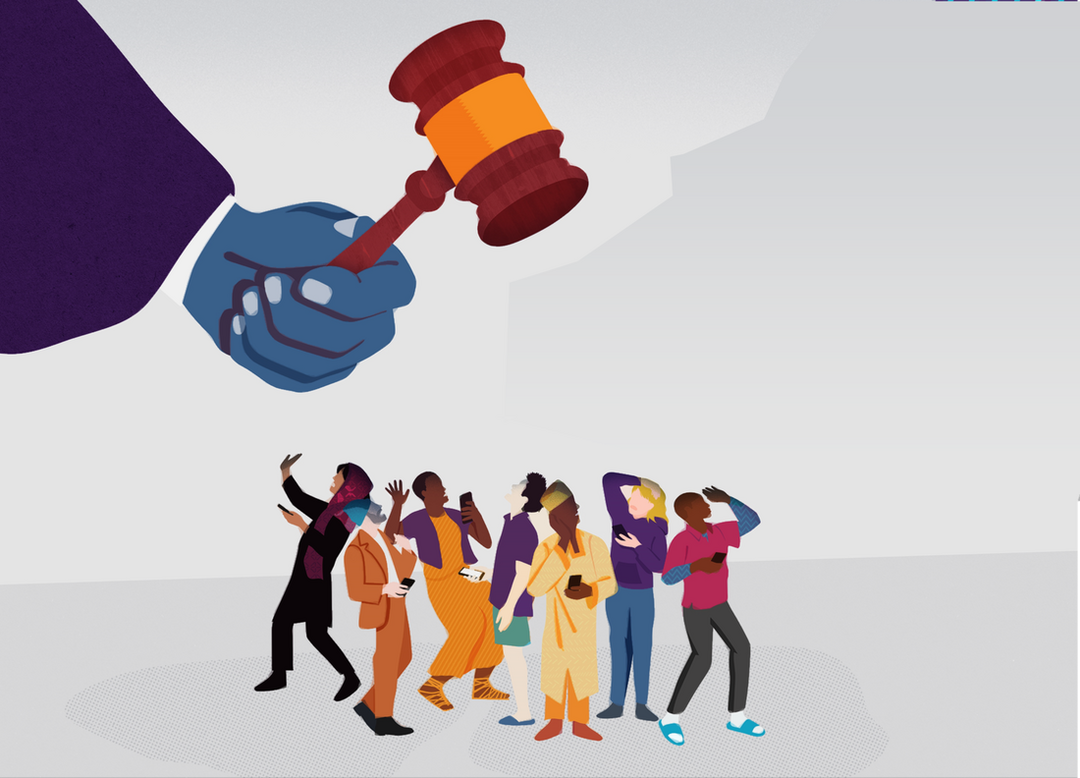
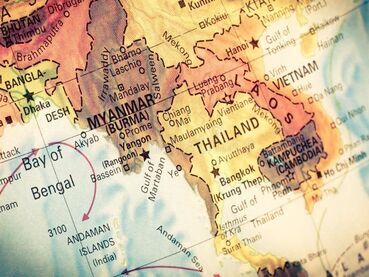
Myanmar's persistent ethnic conflict stems from a lack of a stable, unifying central authority, with successive "governments" acting as warring factions rather than legitimate state builders. This ongoing power struggle between military elites and civilian groups, coupled with the military's dominance and failure of civilian politicians to address ethnic grievances, has prevented the emergence of a trusted mediator, leading ethnic groups to reject state frameworks and perpetuate armed insurgencies.
Rethinking Burmanization
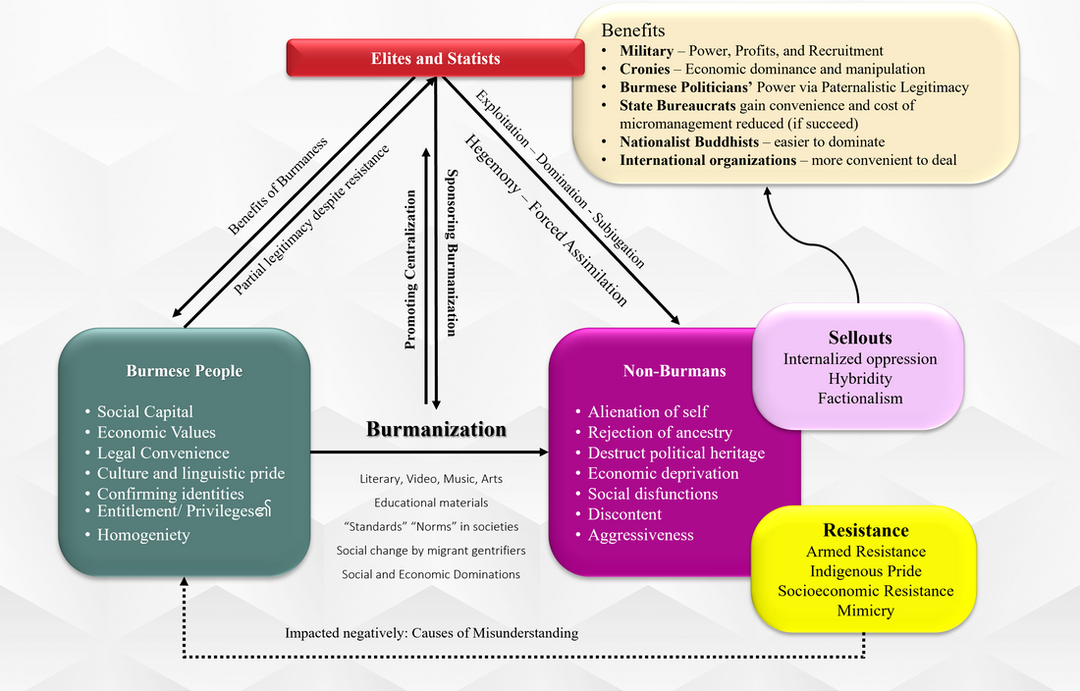
During the colonial era, the term "Burmanization" was initially used by the British as a simple process. It aimed to make the administrative machinery more practical for locals by utilizing the Burmese people and customs. However, over time, this process evolved into a more complex and deliberate strategy. When Burmanized, non-Burmese indigenous peoples become Burmese, but may not be fully so.